The first time I heard about Vipassana silent meditation retreat was back in 2012 from some Couchsurfers. The idea intrigued me, and I knew I'd love to try it at least once in my life.
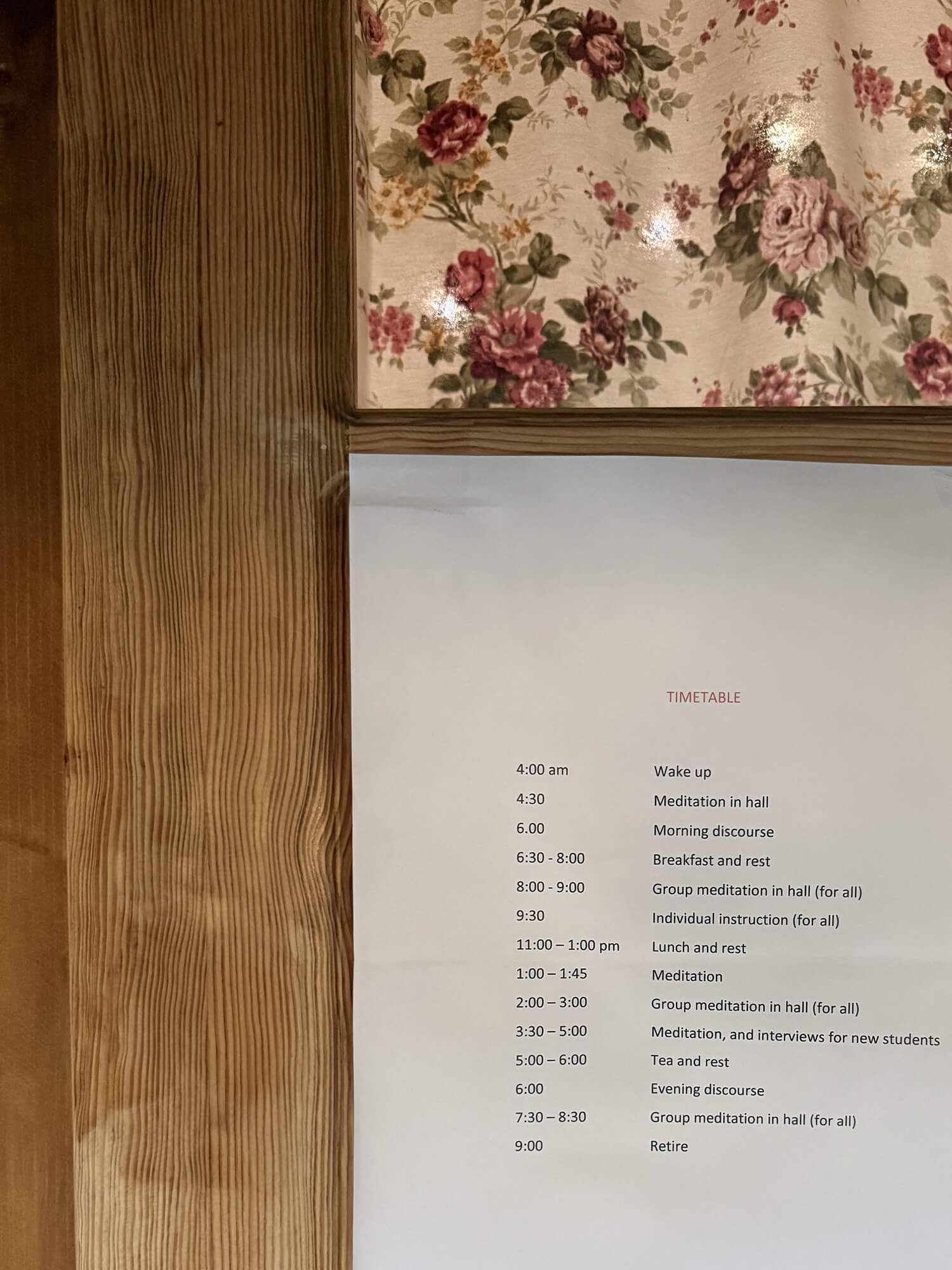
Earlier this year I received an invitation to join a 3 day silent meditation retreat in Moldova, organized by Vipassana Moldova. I quickly signed up and was excitingly waiting for June when the retreat was supposed to happen. Upon confirming my presence I received a detailed schedule for the retreat, so I already knew what to expect logistically:
- waking up at 4am and retiring at 9pm
- no phones, no books, no music, no journaling
- separation of sexes: women only accommodation, dining and meditation areas also separated for women and men respectively
- vegetarian diet throughout the meditation course
- no alcohol, no smoking, no sexual activity
It's been a month since I have completed the meditation course, and I finally managed to sit down and write my impressions.
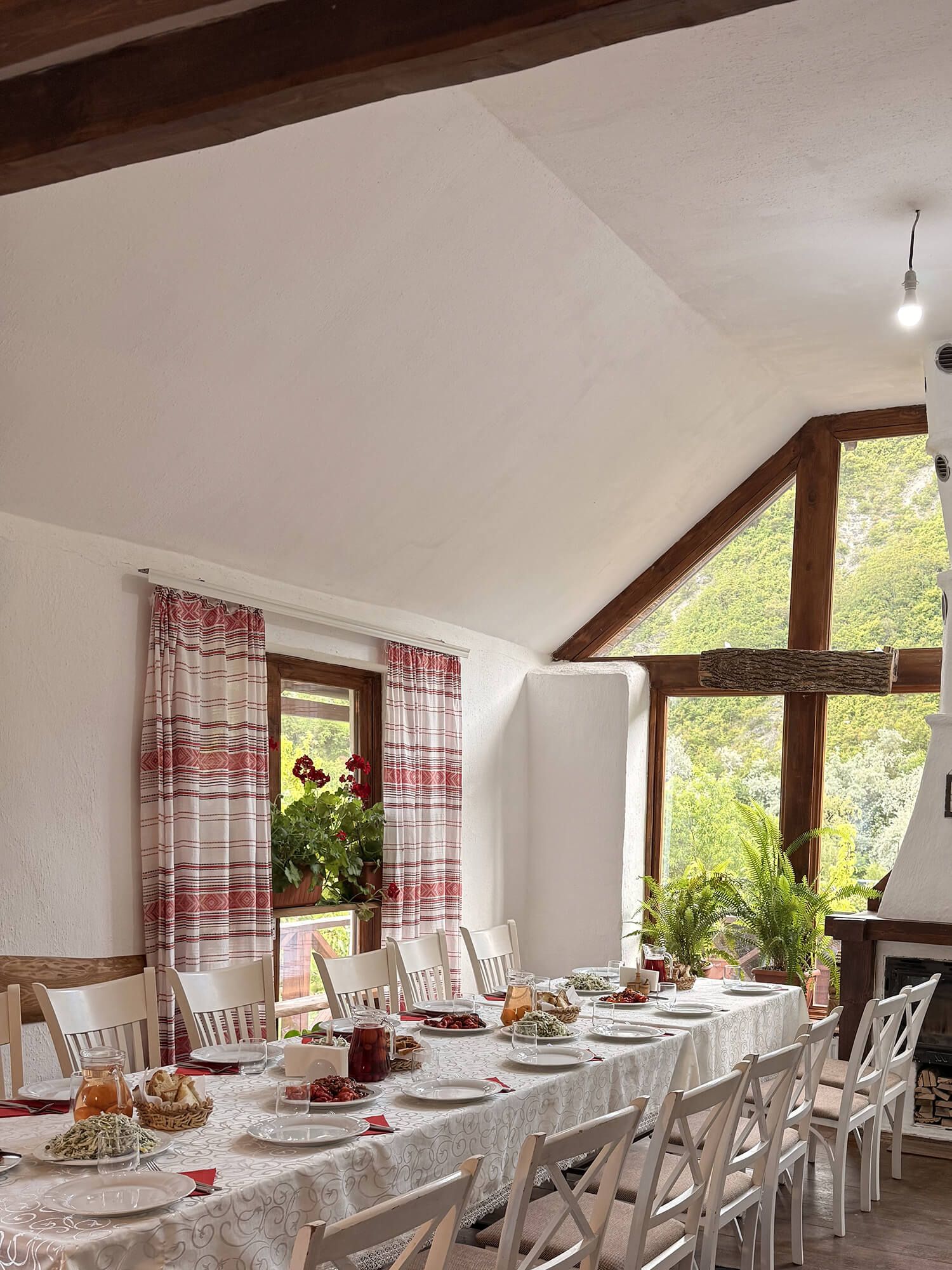
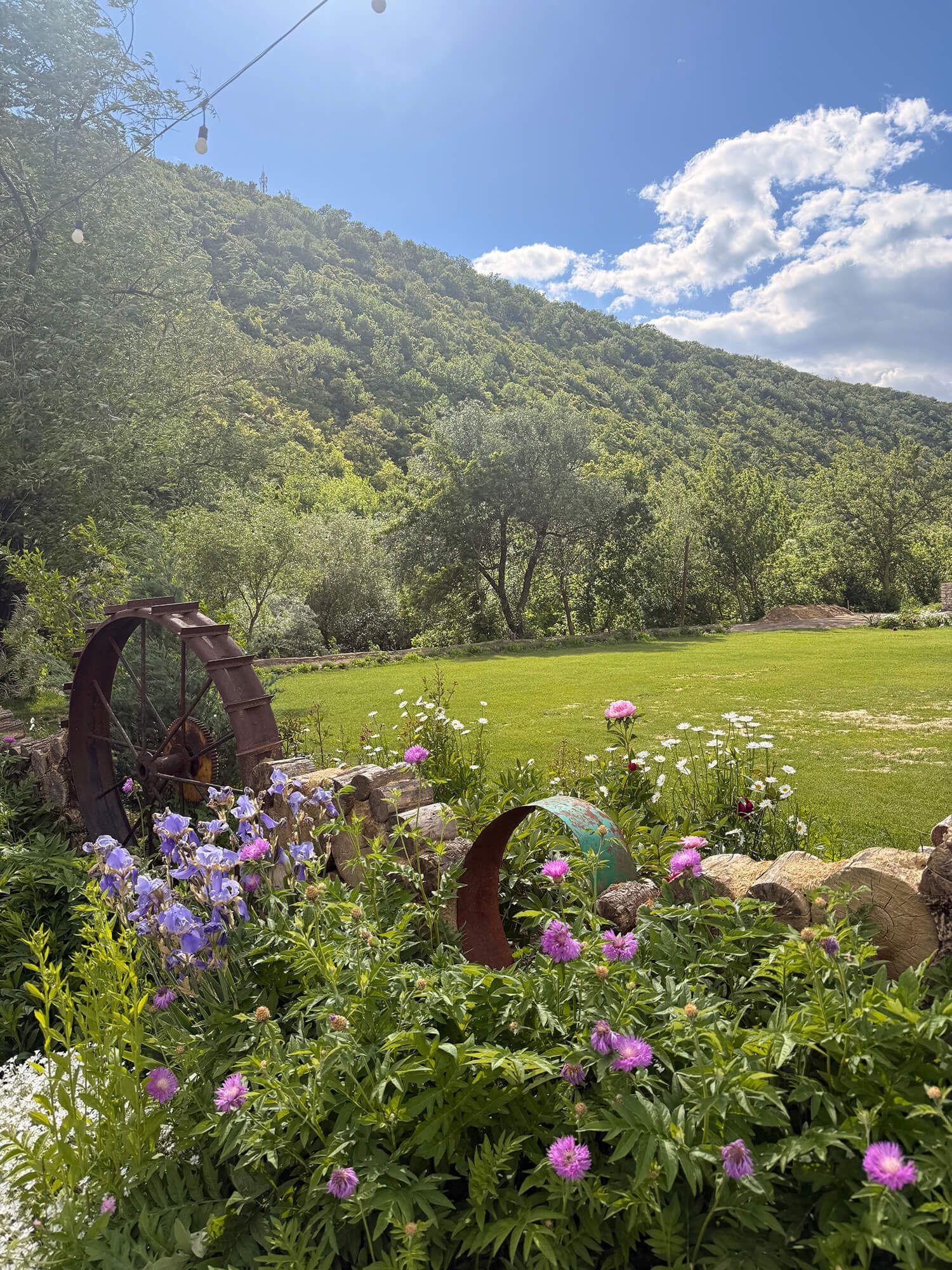
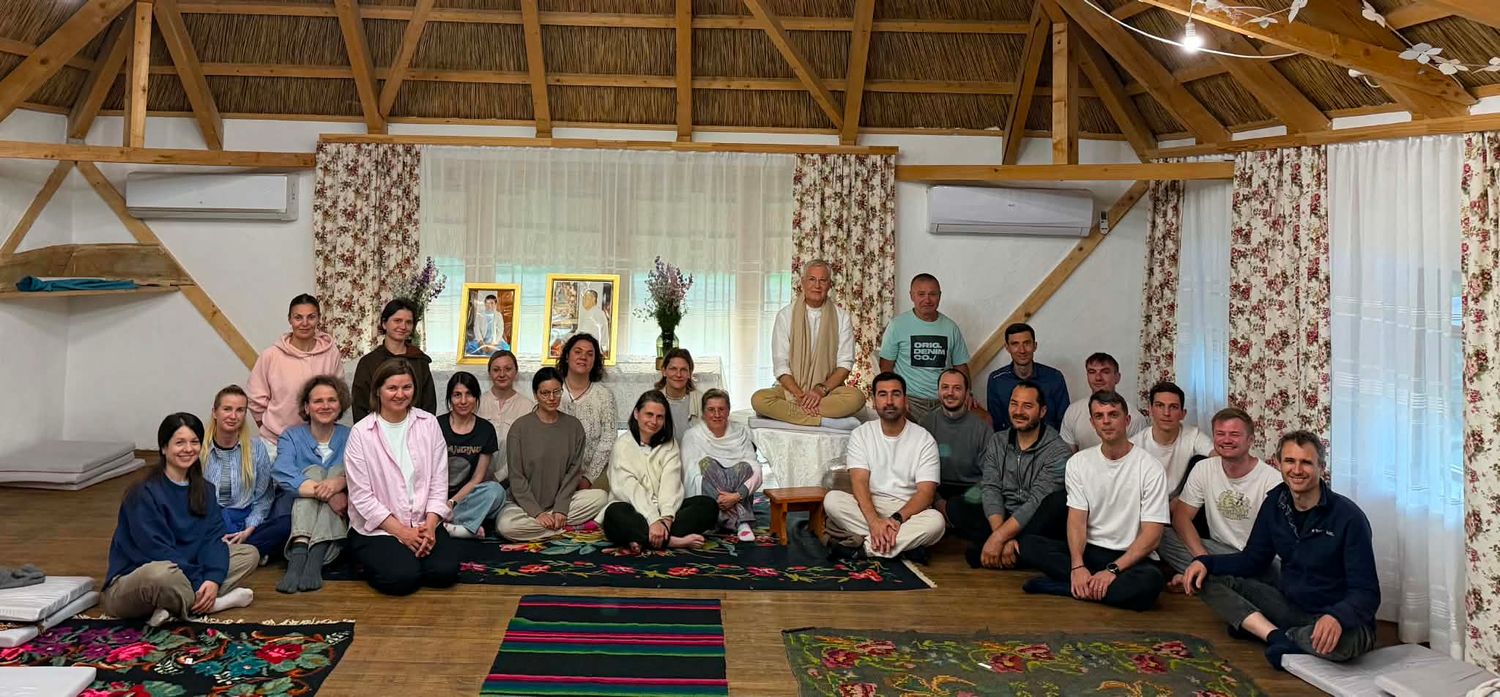
We were about 24 people at this edition, and we were expected to arrive to the retreat's location by 5pm on Friday, May 29th. This year the retreat took place at Casa din Lunca pension, in Trebujeni - a beautiful place, which I recommend visiting if you want to experience Moldova's food and one of its most idyllic places.
After checking in into our rooms, we had our first dinner at around 6pm. Women sat at one table, and men at another. The food was absolutely delicious, and I got a chance to chat with some of the participants. Then we gave away our phones and proceeded to the meditation hall for our first meditation hour of the retreat. After that moment, everybody committed to practicing silence, and I barely spoke for the next 3 days.
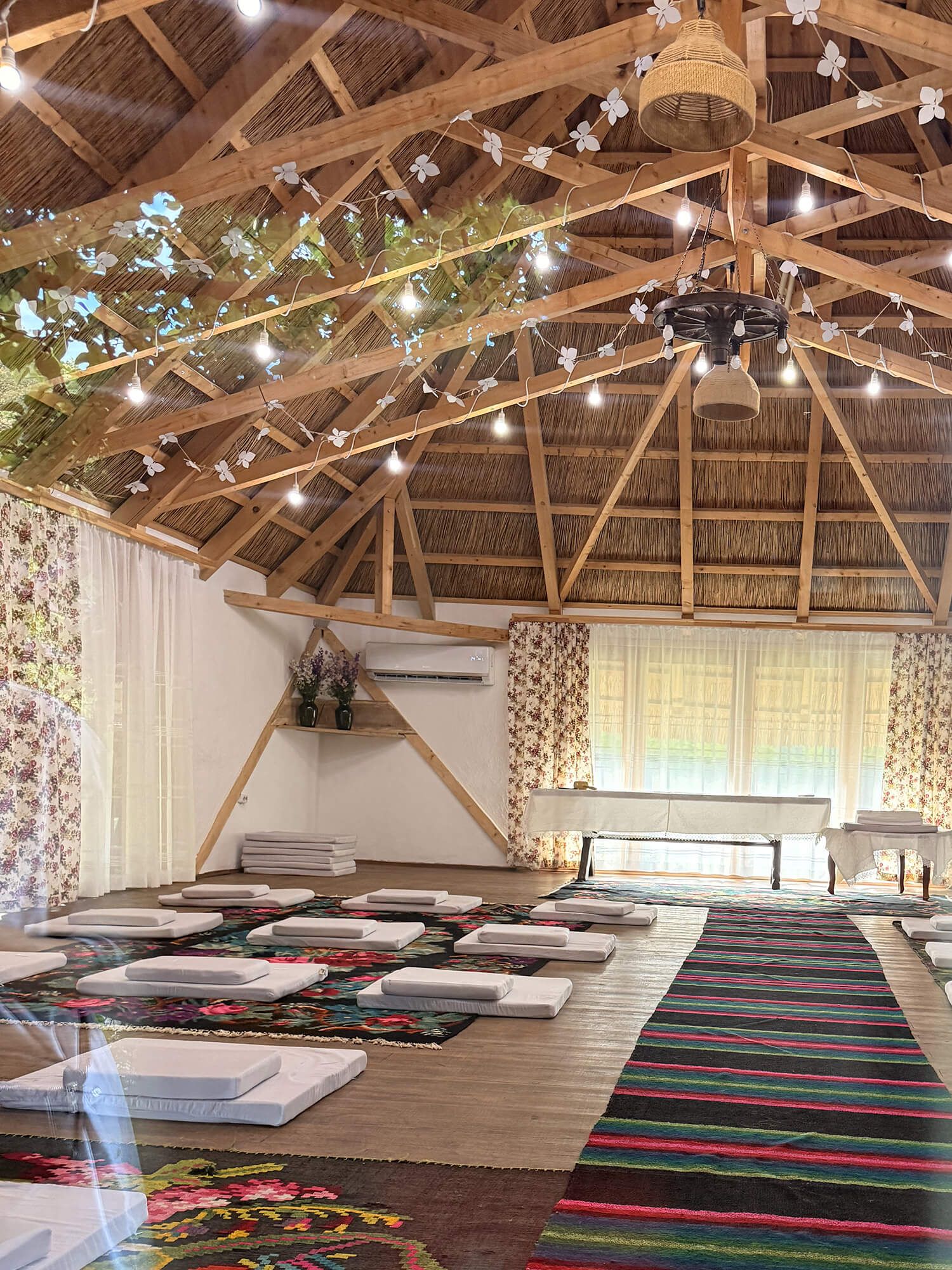
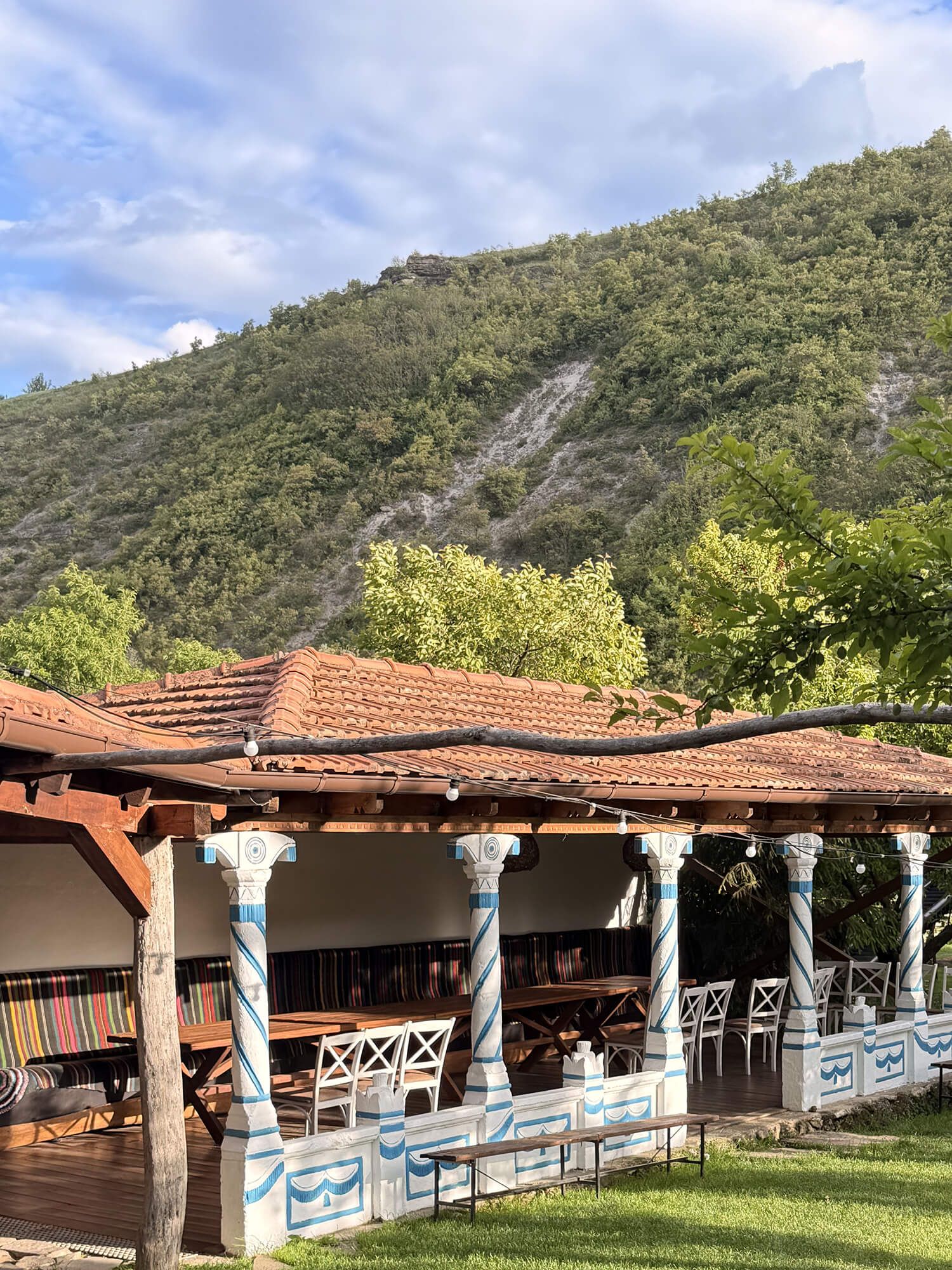
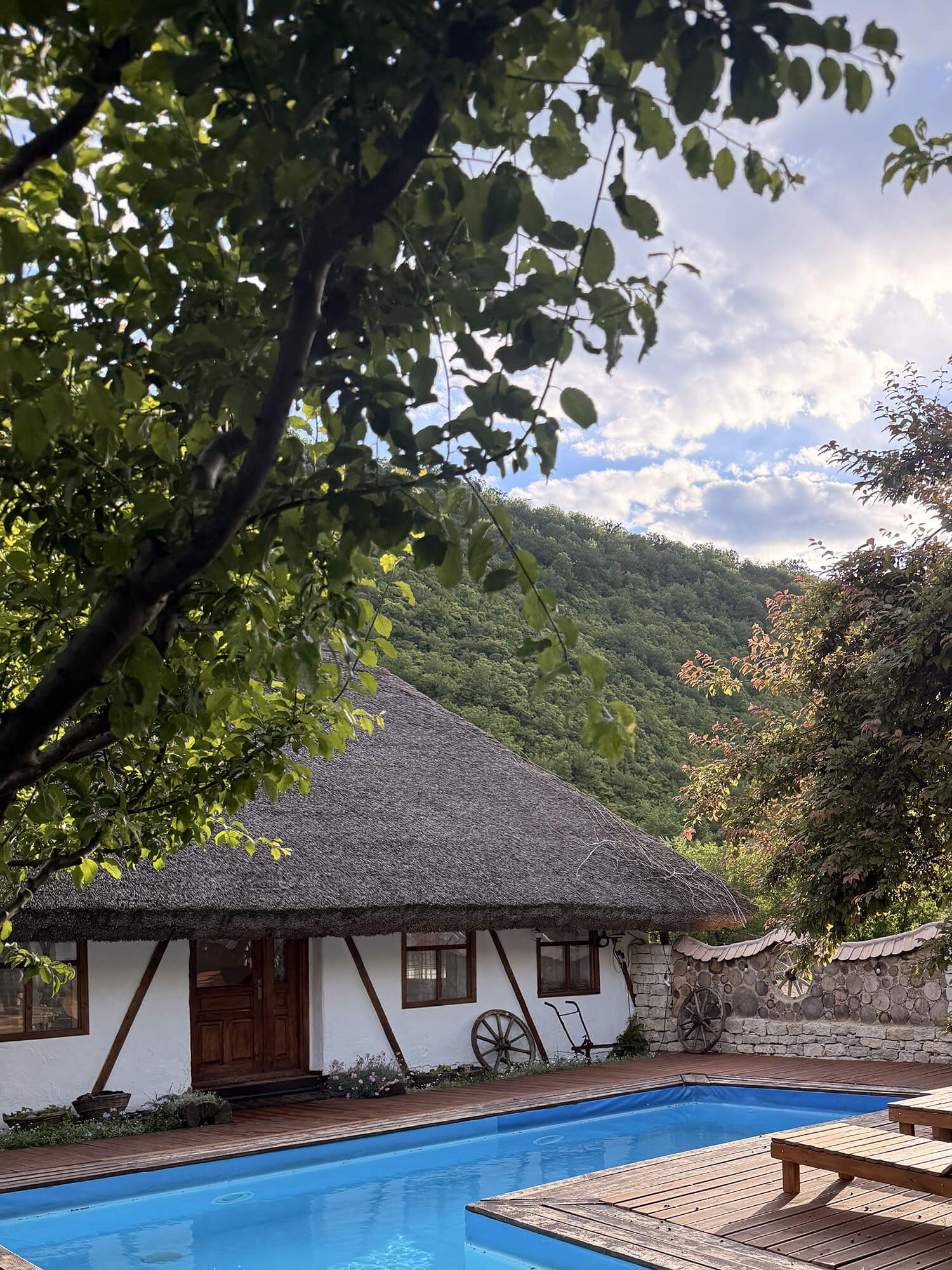
I was not sure what to expect from the meditation itself. At some point I thought maybe it will be a guided meditation, but I ended up being quite surprised at the simplicity of the practice after that first session. But don't get it wrong - even if it was simple, it was not easy.
The meditation we were supposed to practice is called Anapana meditation. Our instructor - Roger, came from the International Meditation Centre, and guided us through the experience. There are three things one focuses on during Anapana meditation:
- the act of inhaling air
- the act of exhaling air
- the place around the nose, rim of nostrils, or upper lip where the air touches the skin
The whole point of Anapana meditation is to achieve mindfulness, and a clear mind. This in turn allows us to achieve greater results in anything we set our mind to. While this seems so simple, the mind is tricky and thoughts were flooding my brain, trying to distract me like the passing trees on the side of the road while driving. So my goal was to bring the mind back to the spot where I could feel the breath touch my skin. While I did not have a problem feeling the breath on my inhale, I could barely feel it on exhale. Roger told me that it's good - means I need to focus more :)
Another challenge was sitting in one position without moving, while still being relaxed. From hurting knees to back pain — each one of us seemed to struggle with finding a comfortable position. At some point I managed to find a position that I could hold for 30-40 minutes, and that in itself felt like an achievement.
What I liked is that the whole experience was not punitive: if you do not feel comfortable, you can seat on a chair, if at some point you're overwhelmed, you can leave the hall for a walk and come back to try again. Roger was very supportive and encouraged people to take a break and simply try again.
Every day at 9:30am and 3pm we had check-in sessions. Roger would call 3-4 of us at a time and ask how we felt, did we feel the breathing, what questions we had, etc. These check-ins were the rare moments when we got a chance to talk, as well as listen to the experience of other participants. This way I learned that for somebody the challenge was about being in their own mind, for somebody else it was the worry for their children or husband, other people struggled with the stories and narratives their mind created.
Learning about the experience of others, gave me an insight into my own mind. The truth is that I gladly gave away my phone, I enjoyed thoroughly a structured scheduled, and I took each session as a valuable experience to reconnect with myself. By the end of the retreat I felt gratitude, I felt elated and I felt a wave of positivity and empathy I haven't felt for a long time. Though I will be honest the biggest challenge was my bored mind — after 30-40 minutes of a meditation session I would check my watch to see how much was left. But boredom in itself is not a bad thing.
The peak of the retreat for me was Sunday, the 1pm-1:45pm session. I closed my eyes, and focused on breathing. I couldn't tell you how long I was meditating and focusing on the spot where the breath touches my skin. It could have been 10 minutes, or 30 minutes. Time sort of wrapped itself up during this session. At some point I felt like my hands became heavy like roots keeping me grounded to the floor. My nostrils felt like two large pipes, hungrily inhaling air. The moment I opened my eye, I checked my watch and it said 13:44. I've sat unmoved and focused for 44 minutes. I stood up and left the room - amazed at what I have just experienced.
I also enjoyed the breaks. Without a phone to distract you, you start paying attention to everything around you. I was analyzing and smelling the flowers in the garden, walking barefoot, and watching the clouds. I also slept outside when it was not raining. I did nothing, and it was the best way to disconnect, totally unaware about the outside world, and with zero expectation to talk with those around me. In the era of constant distractions, boredom felt refreshing.
As part of the course we were read Buddhist teachings, and some of the things that were shared I really enjoyed as it aligned philosophically with my perception of life. Buddha believed that we know suffering because we are attached to external things that are permanently changing. And as a result, we suffer. It's inevitable, really. So the idea is to find happiness internally, accept that things will change, that people in our life will die, that all the good things will end eventually, as well as the bad ones. Accepting and embracing this - will help us avoid suffering while allowing us to enjoy while things last.
By Tuesday morning, half of us left already. Those who remained, woke up per schedule at 4am and we had our morning meditation. I had breakfast and left at 7:30am, as I had to drive to Iaşi to pick up my Romanian passport. It was raining and the weather was gloomy, however I felt so pumped. My mind was clear and beamed with possibility. That very evening, having my phone back, I realized just how much screens flood our brain. I felt tired from all the information screaming back at me.
The first week after the retreat I managed to meditate daily 15-20min, but afterwards I failed to keep up with the habit. I do not give up, I believe meditation will come back in my life one way or another, especially seeing what it did to my brain after only 3 days. I'm so grateful I had this experience and challenged myself to try it.